Thursday, August 29, 2013

Gluten Intolerance & Overweight - Why They Go Together


Gluten intolerance used to be synonymous with celiac disease, and celiac disease was synonymous with being underweight. Times have changed and being ‘locked in’ to the notion that unless someone is very underweight their chance of being gluten intolerant is next to nil, is obsolete.
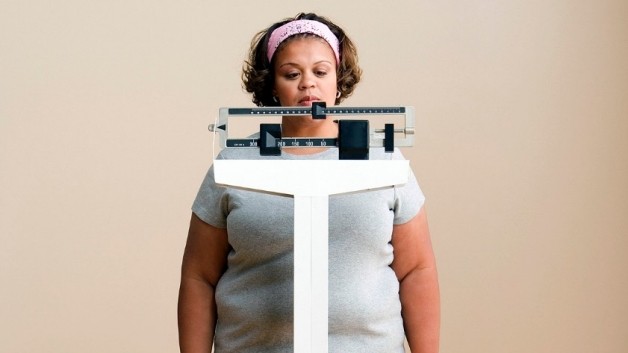
Unfortunately, patients continue to be refused testing from ill informed doctors who simply observe their patients physique and from that decide that gluten sensitivity or celiac disease isn’t a likely diagnosis.While I must admit that I truly am tired of hearing stories of doctors refusing to test individuals because they don’t fit the classic celiac profile of extreme diarrhea, abdominal pain and underweight, today I wanted to address an association that isn’t typically looked at - gluten intolerance and overweight

Those with the classic type of celiac disease tend to be underweight because they have been suffering with a small intestine that has been incapable of absorbing much in the way of nutrition. We now know that the ‘classic’ celiac disease is not the most common and therefore we see celiac and gluten sensitive patients who have weight to lose.

The human body is very intelligent. If it perceives that it’s under physiological stress, it will tend towards ‘holding on’ to everything it can. Much in the way squirrels store nuts for the cold winter, the human body will burn very few calories when under stress. While it’s ‘smart’ for the body to conserve, it also can  result in weight gain.

Identifying the major stressor for the gluten intolerant patient, gluten, goes a long way towards resolving that stress, and often patients begin to see weight loss occur as a result of initiating a gluten-free diet.

For others the secondary effects of gluten intolerance must be addressed as well. These are such things as:
1.       Hidden infections in the intestine
2.    Nutritional deficiencies
3.       Cross reactive foods
4.       Hormonal imbalance
5.       Enzyme deficiency
6.       Probiotic imbalance
7.       Toxins such as heavy metals

Lifestyle factors can also contribute to overweight in the gluten intolerant patient. Removing gluten from the diet is not an easy task, no argument there.  But ‘being gluten-free’ is not the only important factor when adopting a healthy diet. A daily checklist of good, highly nutrition food consumption would include:

1.       8-10 glasses of purified water, depending on your weight (1/2 your weight in ounces of water is the formula)
2.       7 – 9 servings (or more) of fruits and vegetables, depending on your sex - men need 9
3.       Whole non-gluten grains if they suit you – some people suffer cross reactive problems
4.       Beans and legumes
5.       A small amount of good oils such as olive, coconut oil and fresh nuts
6.       A small amount of hormone-free animal protein, unless you’re vegetarian/vegan
7.       No dairy products
8.       Little to no sugar and no high fructose corn sweeteners
9.       Little to no processed, pre-packaged foods
          10.   Little to no caffeine 
          11.   No fast food 
          12.   No artificial sweeteners – they actually cause you to gain weight and are toxic 
          13.   No soda

Does that sound like a lot of ‘don’ts’? I’m sorry, but I wanted to be thorough. You can concentrate more on the ‘dos’ to stay on the positive side of the equation, but at least look over the things you should avoid, so you are aware of what they are.

Some patients think they are eating a healthy diet but ‘live on’ artificial sweeteners and caffeine, as an example, because they don’t consider it a problem due to their low calorie count.

I am glad that there are so many gluten-free options available to us in our grocery stores. But the truth of the matter is that unless it’s naturally gluten-free, such as vegetables, fruits, nuts, etc then it often falls into the category of a highly refined, pre-packaged food that you should only consume rarely.  The gluten-free breads, cakes, cookies and the like are great for birthdays and holidays, but they should definitely not be part of your daily diet.

Please don’t let this advice overwhelm you. Take it in baby steps and make small changes to start. See how you feel and let me know of any questions you have. 

Finally, I must advise you that some of gluten's secondary effects such as hidden infections, nutritional deficiencies and cross-reactive foods, to name a few, do require the help of a doctor to diagnose and treat. If you feel that you may be suffering from any of these issues or just don't feel good and don't know why, consider taking us up on the offer of a free health analysis. Just call us at 408-733-0400. Our destination clinic treats patients from across the country and internationally. You don't need to live local to us to receive assistance.

Need Help? We're Here for You! 


If you felt as if I was describing you above, you are not alone. As I mentioned earlier, adrenal fatigue/exhaustion is almost epidemic. If you would like assistance and don’t have a clinician whom you feel can assist you, consider contacting us for a FREE Health AnalysisWe are a Destination Clinic and treat patients from across the country and internationally. We would be delighted to help you as we have been doing so for over two decades.

Visit us at www.RootCauseMedicalClinic.com. If you have questions or need any help, I’m here for you! C
all 408-733-0400.

I look forward to hearing from you.

To your good health,
Dr Vikki Petersen, DC, CCN, CFMP

IFM Certified Practitioner

Founder of Root Cause Medical Clinic
Co-author of “The Gluten Effect”

Author of the eBook: “Gluten Intolerance – What You Don’t Know May Be Killing You!”


Tuesday, August 27, 2013

Decreasing Your Risk of Breast Cancer, Not Just for Those with Celiac Disease


Do You Get Regular Mammograms? Read This!

Those with celiac disease, who are untreated or who haven’t fully healed their intestinal lining, are at increased risk for developing cancer. If you are a woman, you don’t want to compound that risk by annually subjecting your breasts to radiation.

Is this just my opinion? No. There is research to support a concern I’ve had about mammograms for many, many years. As a doctor, I typically caution my patients against mammograms, and instead advise them to look into ultrasound and thermography.
 
The facts are that radiation causes cancer. Repeated radiation increases your risk of cancer and delicate breast tissue is known to be particularly susceptible. Does it then make sense to perform such radiation annually and NOT think it’s going to increase your risk of developing breast cancer?

Mammograms Are Not the Great Diagnostic Tool We've Been Lead to Believe

But isn’t it a ‘fact’ that mammograms protect us from cancer? Aren’t they the ‘answer’ to early detection?  It turns out they are not.

The Journal of the National Cancer Institute published a study out of Sweden that found mammograms to have little or no effect in reducing the number of women who died of breast cancer. Here’s a direct quote: “mortality statistics in Sweden are consistent with studies that have reported limited or no impact of screening on mortality from breast cancer among women aged 40-69."

The lead researcher Dr. Autier from the International Prevention Research Institute in Lyon, France, had this to say: “Information to women on mammography screening should better reflect uncertainty on the effectiveness of that test, and underline the risk of overdiagnosis and overtreatment.”

Mammograms Are NOT Saving Lives

A different study from 2010 also found that reduction in mortality was all but nonexistent from mammograms. Their findings were that only 2.4 deaths per 100,000 women could be saved as a result of screening. Certainly we are not trying to make light of saving 2.4 lives, but unfortunately the downside far outweighs that meager benefit.

Some downsides were elucidated by the Nordic Cochrane Center in Copenhagen. After reviewing available research they distributed a leaflet explaining the benefits and potential downsides of mammograms - the summation being that it was not reasonable for women to receive breast cancer screenings though mammography. 

Here’s the quote: “If 2,000 women are screened regularly for 10 years, one [woman] will benefit from screening.” They further went on to say: “Therefore screening results in treatment of many women for a cancer disease they do not have, and that they will not get.”

Unnecessary Treatment is Expensive and Dangerous

Let’s look at that closer. They found that screening caused many women to be treated for a cancer they did not have. Why? Because over the course of those 10 years during which time 2,000 women are screened regularly, they estimated that 200 women will receive false positives. Of those 200, 10 will be treated unnecessarily with drastic techniques including having part of their breast or their entire breast removed, while receiving radiotherapy [radiation], and sometimes chemotherapy. Treatment of these healthy women increased their risk of dying. E.g. from heart disease and cancer.”

Do you like the ratio of 10: 1? Ten women harmed with dangerous, cancer-causing treatment for every 1 who is saved? I know that I don’t.

The More Mammograms You Have, the More Likely You'll Get Cancer

Another study from The Lancet Oncology (2011) evaluated a screening program of 650,000 women in Sweden. They found that those who received the most screenings had a higher incidence of invasive breast cancer than those who received much fewer screenings. In fact, they felt that over the natural course of time, many of the screening detected invasive breast cancers spontaneously regressed if left alone!
It is also well known that women with fibrocystic breasts, or dense breasts, are not good candidates for mammograms. I experienced this personally with my mother who received many repeated mammograms for a ‘suspicious’ area, only to end up with an ultrasound (a noninvasive procedure that utilizes no radiation) that proclaimed her to be fine.

Find Out if You Have Fibrocystic Breasts

Some states such as New York, Connecticut, Texas and Virginia have passed laws requiring that women with dense breasts be informed about alternative screening tools. Can we urge our Congressmen to have California (and the rest of the country) be next? What about federal legislation?

Do you have dense breasts? If so you are not alone. Half of all women are estimated to have them and that number increases to 75% when women are in their 40s. This means that half to three quarters of all the women receiving mammograms are really not candidates for the procedure. The radiation they receive increases their risk of developing cancer while the test is ineffective at detecting breast cancer.

Does it make sense to you to continue this procedure?

Here are Some Cancer Prevention Steps You Can Take Right Now

     1. Limit sugar in your diet. We continue to discover the importance of diet as it relates to cancer prevention. Sugar and particularly high fructose corn sweeteners are increasing cancer risk. 

2   2.  Move. Exercise that burns fat and maintains a healthy body weight is another factor in reducing cancer risk. If you have a ‘spare tire’ around your mid-section you are going to need to get rid of it.
3
     3. Eat plants. Consuming 7 to 9 servings of organic fruits and veggies each day along with supplementing powerful cancer-fighting antioxidants, including vitamins D and C, is another step you can take.

     4.  Stay away from the man-made ‘Franken foods’. Avoid artificial sweeteners, preservatives and limit exposure to hormones, pesticides and environmental toxins as much as possible. This will help you to avoid dangerous inflammation that is the initiator of degenerative disease in general and cancer in specific.

     5.  Get an oil change. Remember to ingest good oils such as fish oil that are loaded with omega-3 fatty acids, along with flax seeds, walnuts, wild rice and enriched eggs. Omaga -3s are anti-inflammatory and therefore protective against cancer as well as other degenerative diseases.

     6. Check your levels. You’ll need to find a doctor who works with evaluating the pros and cons of your immune system. On the plus side you want a strong level of vitamin D (somewhere between 50 and 70 ng/ml is a good level to shoot for) and robust probiotic levels that will keep your immune defending you against cancer. On the con side, you want to ensure that you don’t have an overabundance of toxins that are overwhelming your system or the presence of any infectious organisms. Both will severely compromise your immune system making it less able to defend itself against cancer. Such testing can be done here at HealthNOW Medical Center.

I hope you have found this informative. I urge you to share this post with every woman you know. The concept of mandatory mammograms needs to change, in my opinion. I’ve said for a long time that in the future we will look at the idea of radiating women’s breasts as barbaric and ill advised. I hope that day comes quickly so that fewer cancers are created with this dangerous procedure.

I’d love to hear from you and am happy to answer your questions.

Need Help? We're Here for You! 


If you felt as if I was describing you above, you are not alone. As I mentioned earlier, adrenal fatigue/exhaustion is almost epidemic. If you would like assistance and don’t have a clinician whom you feel can assist you, consider contacting us for a FREE Health AnalysisWe are a Destination Clinic and treat patients from across the country and internationally. We would be delighted to help you as we have been doing so for over two decades.

Visit us at www.RootCauseMedicalClinic.com. If you have questions or need any help, I’m here for you! Call 408-733-0400.

I look forward to hearing from you.

To your good health,
Dr Vikki Petersen, DC, CCN, CFMP

IFM Certified Practitioner

Founder of Root Cause Medical Clinic
Co-author of “The Gluten Effect”

Author of the eBook: “Gluten Intolerance – What You Don’t Know May Be Killing You!”


Reference:
http://articles.mercola.com/sites/articles/archive/2012/08/06/mammogram-on-breast-cancer-mortality-rates.aspx


Thursday, August 01, 2013

Preventing Schizophrenia & Mental Disorders – A “Must Know” Before Pregnancy


Can Pregnant Mothers Unknowingly Put Their Child at Risk?

Babies are in a bath inside their mothers’ wombs for 9 months. The ‘water’ can be nourishing or toxic. A recent study in June from the American Journal of Psychiatry discovered that women who are gluten sensitive and continue to consume gluten during their pregnancy put their babies at risk of developing schizophrenia and other psychiatric disorders later in life.

The researchers, from Sweden and the United States, found that babies born to mothers with high circulating anti-gliadin antibodies (antibodies are substances made by the immune system as a reaction to something it considers toxic to the body. In this case the gluten protein.) suffered a risk factor of nearly double for developing schizophrenia and other psychiatric disorders later in life.

What Mom Eats DOES Transfer to Her Unborn Child

The circulating high number of antibodies in the mother’s blood is transferred to the developing baby and can act as a type of programming for what will occur in the child later in life. In this case gluten was seen to inflame the nervous system and serious mental diseases were the result.

During pregnancy an interesting phenomenon occurs whereby the immune system is less aggressive than it is normally – this is called down regulation. This is a good thing because it allows the mother’s body to not reject the foreign entity (the fetus) that is growing within. The downside of this is that women who had trouble tolerating certain foods find that they can ‘cheat’ with relative impunity.  In fact, I always have cautioned my pregnant patients against cheating while pregnant and have explained that just because they don’t ‘feel’ the effects of having cheated, it doesn’t mean that their body and their baby’s body isn’t being negatively affected.

This research certainly corroborates the point in a dramatic way. Imagine having the ability to create or prevent mental illness in your child!

Prepare Before Pregnancy - Both Mom and Dad Need a 'Get Healthy' Program

Here at HealthNOW Medical Center we love to prepare women for getting pregnant. It’s gratifying to know that by ensuring every mom knows whether or not she is gluten intolerant we are not only improving mom’s health, but also that of her future child. Depending on the woman’s level of health, our program may take a few months or longer. But when you appreciate that a healthier mother strongly influences the health of her child, it’s all worth it. And dads are not ‘off the hook’ here either. It is very important that the genes that the father is contributing to the child are healthy also.

More and more we are coming to appreciate that genes can be altered as regards their expression. This means that just because a disease runs in your family, you don’t have to pass it along to your children. But, unfortunately, with no effort towards improving your health, you can very well subject your children to a worsened health state, and this is what we are currently experiencing in this country.

Please share this information with those you know. While it is critical to discover if you are gluten intolerant, there are several other aspects of health that should be addressed prior to conceiving. 

Need Help? We're Here for You! 


If you felt as if I was describing you above, you are not alone. As I mentioned earlier, adrenal fatigue/exhaustion is almost epidemic. If you would like assistance and don’t have a clinician whom you feel can assist you, consider contacting us for a FREE Health AnalysisWe are a Destination Clinic and treat patients from across the country and internationally. We would be delighted to help you as we have been doing so for over two decades.

Visit us at www.RootCauseMedicalClinic.com. If you have questions or need any help, I’m here for you! C
all 408-733-0400.

I look forward to hearing from you.

To your good health,
Dr Vikki Petersen, DC, CCN, CFMP

IFM Certified Practitioner

Founder of Root Cause Medical Clinic
Co-author of “The Gluten Effect”

Author of the eBook: “Gluten Intolerance – What You Don’t Know May Be Killing You!”